
How to Have the Conversation with Loved Ones About Next Steps in Elder Care
Talking to aging parents about elder care can be emotional — but it doesn’t have to be overwhelming. This warm, practical guide from 239 Results Home Care shows how to start the conversation with compassion, listen without conflict, and plan next steps that protect dignity, independence, and peace of mind.
239Results Home Care
11/1/20254 min read

Understanding the Importance of Elder Care Conversations
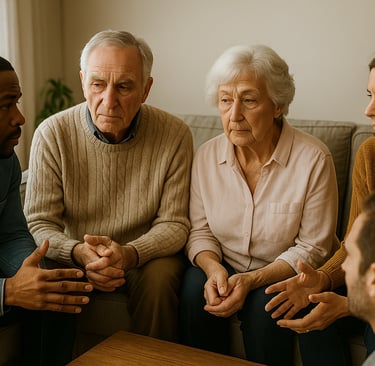
Engaging in discussions about elder care is vital for families, as these conversations lay the groundwork for future planning and health management. The emotional and practical dimensions of elder care conversations cannot be understated; they serve as opportunities for family members to express their concerns, preferences, and expectations regarding the care of their elderly loved ones. Such discussions ensure that everyone involved is on the same page, thus reducing the risk of misunderstandings that can lead to frustrating situations.
Moreover, addressing the topic of elder care early can prevent familial discord. Everybody approaches such conversations with their own sentiments and apprehensions. By placing emphasis on open communication, family members can foster a supportive environment where feelings are acknowledged and problems are dealt with collaboratively. This proactive approach allows families to navigate the complexities of aging with greater ease, ensuring that emotional bonds are strengthened rather than strained.
Conversely, delaying discussions about elder care can yield negative consequences. Loneliness and isolation may plague elderly individuals who feel their needs are neglected, leading to diminished emotional well-being. Additionally, unresolved issues can emerge as tensions rise, resulting in fractured relationships that can take considerable effort to mend. In today's fast-paced world, the importance of having these conversations becomes even more pronounced, as the complexities of elder care—from medical needs to living arrangements—can be overwhelming if left unaddressed.
Ultimately, proactive communication about elder care serves as a powerful tool to enhance familial relationships and promote understanding. When families prioritize these discussions, they pave the way for better care decisions and a more compassionate approach to aging. The importance of addressing elder care matters cannot be overlooked, as it facilitates a smoother transition into later life stages.
Starting the Conversation: Tips for Approach
Initiating a dialogue about elder care can feel daunting, but with the right approach, it can become a productive and meaningful conversation. To begin, consider selecting an appropriate time and setting. A calm and private environment is essential; choose a moment when everyone involved is relatively relaxed and not preoccupied with other stressors. This creates a welcoming atmosphere that encourages open communication.
Using open-ended questions is an effective technique to facilitate discussion. Questions such as, “How do you feel about our current care situation?” or “What are your thoughts on potential changes we could make?” invite your loved ones to share their perspectives in detail. This approach not only opens up the floor for input but also demonstrates that their opinions are valued. It’s crucial to avoid questions that can be answered with a simple “yes” or “no,” as these can stifle the overall dialogue.
Active listening is another fundamental component of a successful conversation regarding elder care. This means giving full attention to what the other person is saying, making eye contact, and offering verbal affirmations while they speak. When your loved ones feel heard, they are more likely to share their feelings and concerns openly. Paraphrasing their statements or summarizing key points can also foster clarity and show that you truly understand their viewpoint.
Incorporating empathetic language when discussing sensitive topics, such as elder care, helps to validate the emotions of your loved ones. Phrases such as, “I understand this is a difficult conversation,” or “I can see you’re feeling uncertain about this situation,” can create a supportive environment. By acknowledging their feelings, you contribute to a safe space for dialogue, paving the way for more meaningful discussions about future care solutions.
Navigating Emotions: Addressing Concerns and Resistance
Having discussions about elder care can be a challenging experience for both caregivers and their loved ones. Emotions can run high, and it is common for individuals to exhibit resistance or express fears regarding potential changes in their lives. Understanding these emotions is essential in fostering trust and ensuring a supportive environment for open dialogue.
One of the most prevalent concerns is the fear of losing independence. Many elderly individuals associate the need for care with a loss of their autonomy, leading to feelings of vulnerability. It is important to validate these feelings by acknowledging their fears and providing reassurance that maintaining independence is a priority. Highlighting available care options that allow for personal choice in daily activities can demonstrate that elder care does not inherently mean losing their freedom.
Another common emotional hurdle is the fear of change itself. Transitioning to a new living arrangement or adjusting daily routines can feel overwhelming. In these discussions, it may be beneficial to introduce the concept of gradual adjustments. Discussing a phased approach to care may help alleviate anxiety by allowing loved ones to adapt over time rather than facing a sudden, significant change.
Effective communication is key to addressing potential objections. It is advisable to listen actively and empathically. Acknowledge their concerns without judgment, and encourage them to express their thoughts openly. Respond with compassion, offering factual information that may dispel myths or misunderstandings about elder care. Additionally, inviting them to be part of the decision-making process can foster a sense of involvement and control.
By maintaining an environment of trust and support, caregivers can guide loved ones through the emotional landscape of elder care discussions, paving the way for more constructive and collaborative conversations that prioritize their comfort and well-being.
Developing a Care Plan Together: Next Steps
Following the crucial initial conversation about elder care, the next step is to collaboratively develop a care plan. This plan serves as a roadmap for addressing the specific needs of the elderly loved one, ensuring that their well-being is prioritized while involving family members in the decision-making process. A thorough assessment of the individual's needs should be the first consideration. This includes evaluating their physical health, mental and emotional state, and daily living requirements. Engaging the elderly individual in this assessment is vital, as it allows them to express their preferences and priorities regarding their care.
Once the needs are clearly identified, exploring available care options becomes essential. These can range from in-home care services to assisted living facilities or community resources. Each option should be weighed against the unique circumstances of the elderly loved one, taking into account factors such as the level of care required, proximity to family, and financial considerations. It is beneficial to research various service providers, reading reviews and speaking with other families who have utilized their services to gather comprehensive information.
Moreover, involving all family members in the development of the care plan fosters a sense of collaboration and shared responsibility. Family meetings can be a productive forum for discussing different perspectives and helping to ensure that everyone feels heard and included in the process. Flexibility in the care plan is paramount, as the needs of the elderly loved one may evolve over time, necessitating adjustments to the original plan. Therefore, keeping lines of communication open and scheduling regular check-ins will aid in addressing any changes promptly. Maintaining this collaborative approach not only promotes better care but also strengthens familial bonds during what can be a challenging phase of life.